

Tooth Replacement That Helps You Get Back To Living
Losing teeth changes more than your smile. It can affect how you eat, how clearly you speak, and how comfortable you feel around other people.
At Crafted Dental Co., dentures are designed around function, fit, and what you want your day-to-day life to feel like again. Whether you need a traditional denture or added stabilization, Dr. Sykes takes a practical, patient-first approach to helping you regain comfort and confidence.

Eat With More Ease
Missing teeth can make meals frustrating and limit what you feel comfortable eating. Dentures help restore chewing ability so you can enjoy more of the foods you miss and spend less energy working around your smile.
Feel More Like Yourself Again
Tooth loss can affect the way you talk, smile, and carry yourself. Dentures help restore the look of a complete smile, which can make everyday conversations feel easier and help you feel more at ease in social settings.
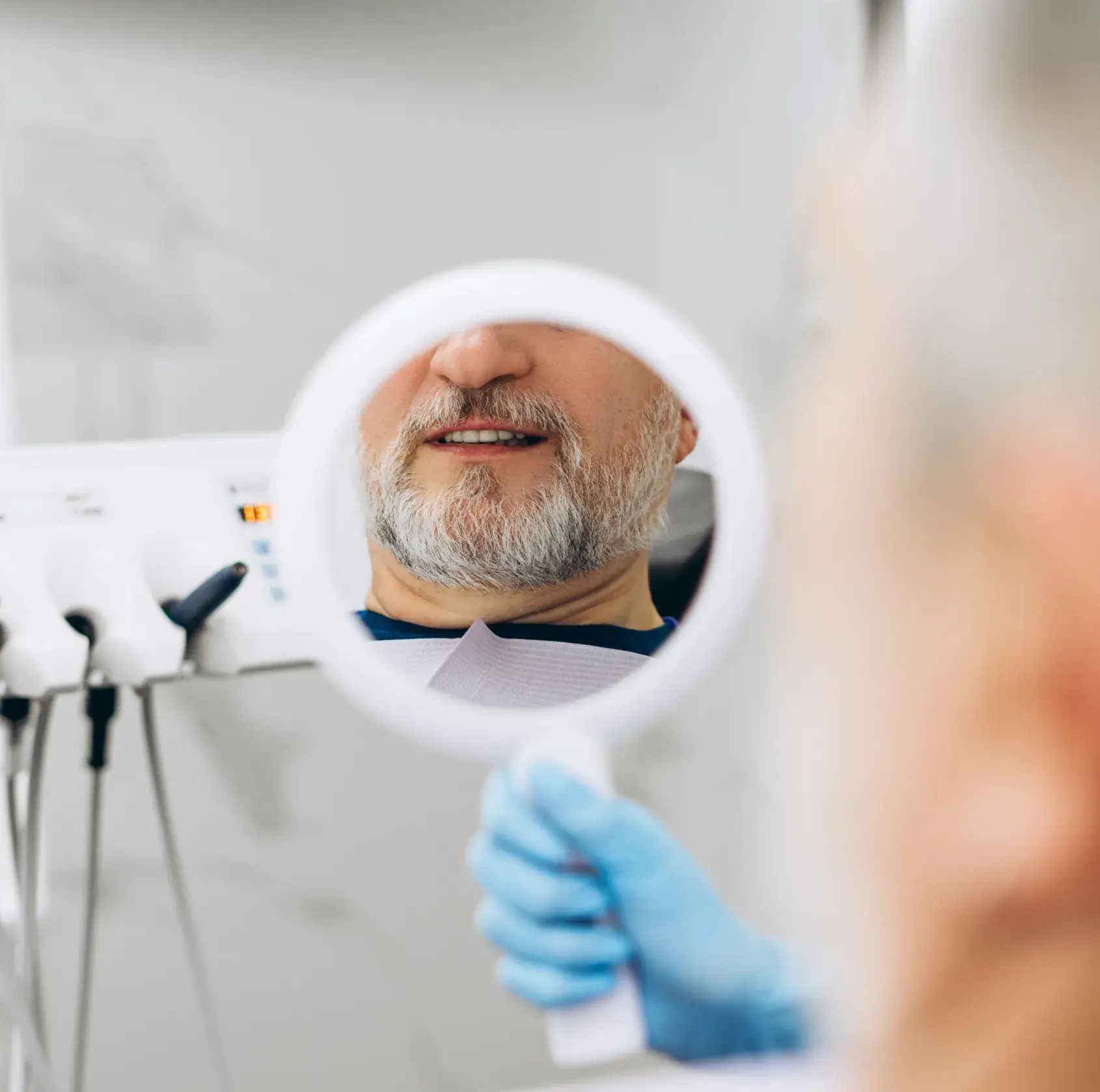

Choose A More Secure Fit
Many patients worry that dentures will feel loose or unreliable. With options that include denture stabilization, your treatment can be shaped around better support, better function, and a fit that feels more dependable day to day.
Check your insurance





When Dentures May Be The Right Choice
Dentures may be a good option if missing teeth are getting in the way of daily life.
You may want to explore dentures if you are:
- Missing several teeth
- Missing all of your teeth in one arch or both arches
- Struggling to chew comfortably
- Feeling self-conscious about gaps in your smile
- Looking for a practical replacement option after tooth loss
- Tired of working around teeth that no longer function well
For many patients, the goal is simple. Replace what is missing and make daily life feel easier again.

Removable Dentures Vs. Denture Stabilization
Not every denture option feels the same. Some patients do well with a traditional denture, while others want added support to help the denture feel more stable.
Here is the difference in a simple way:
- Traditional dentures rest over the gums and replace missing teeth with a removable appliance
- Denture stabilization adds more support to help improve fit and reduce movement
- The right option depends on your anatomy, goals, and how much security you want during daily activities
Dr. Sykes will walk you through what makes the most sense for your situation instead of pushing a one-size-fits-all answer.
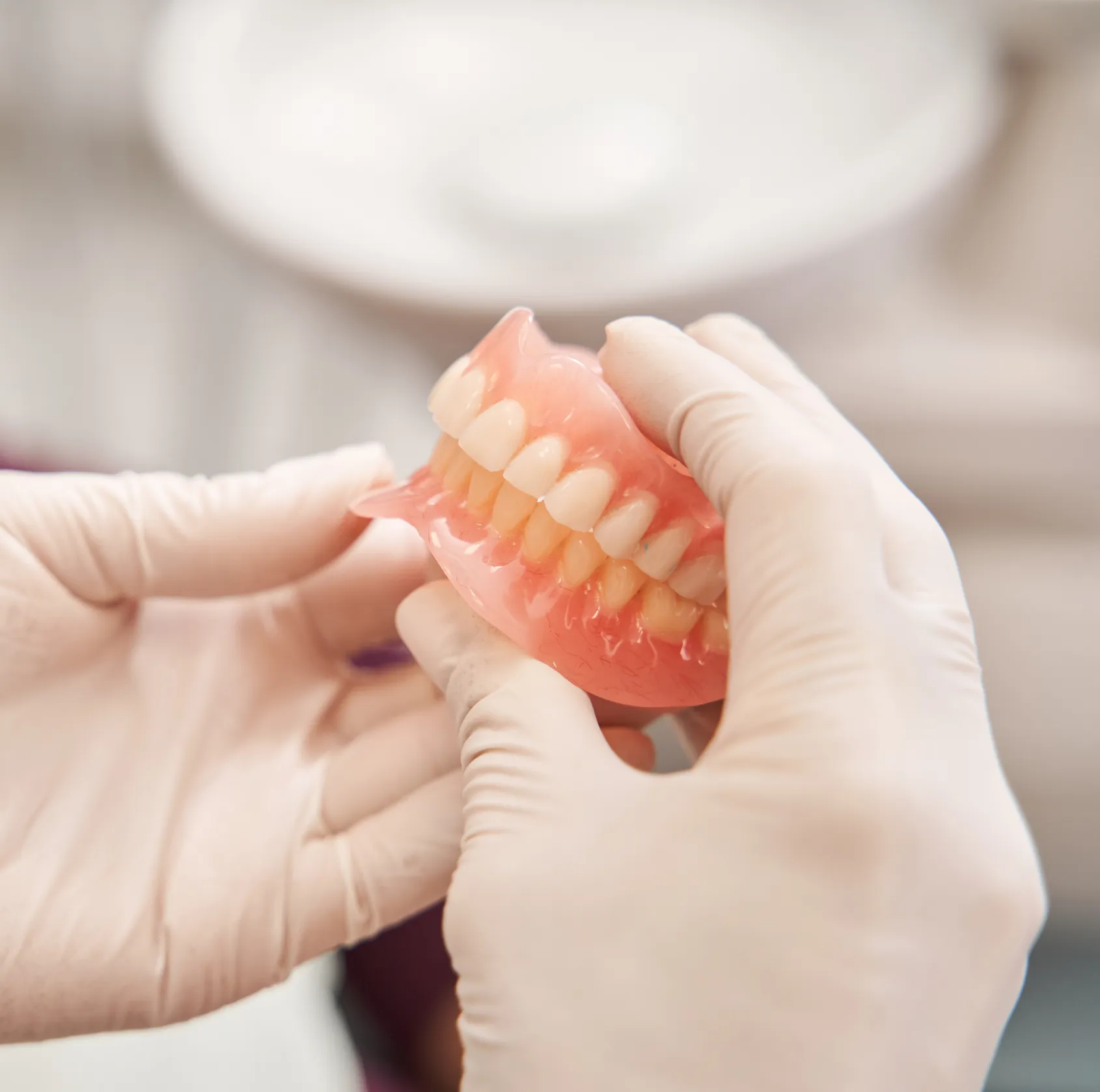
Why Fit Matters So Much
A denture should do more than fill space. It should help you function better and feel more confident using it.
A better-fitting denture can help with:
- More comfortable chewing
- Clearer speech
- Less movement while talking or eating
- Better support for your facial appearance
- More confidence in everyday life
That’s why denture treatment should be planned around how you actually live, not just what looks acceptable on paper.
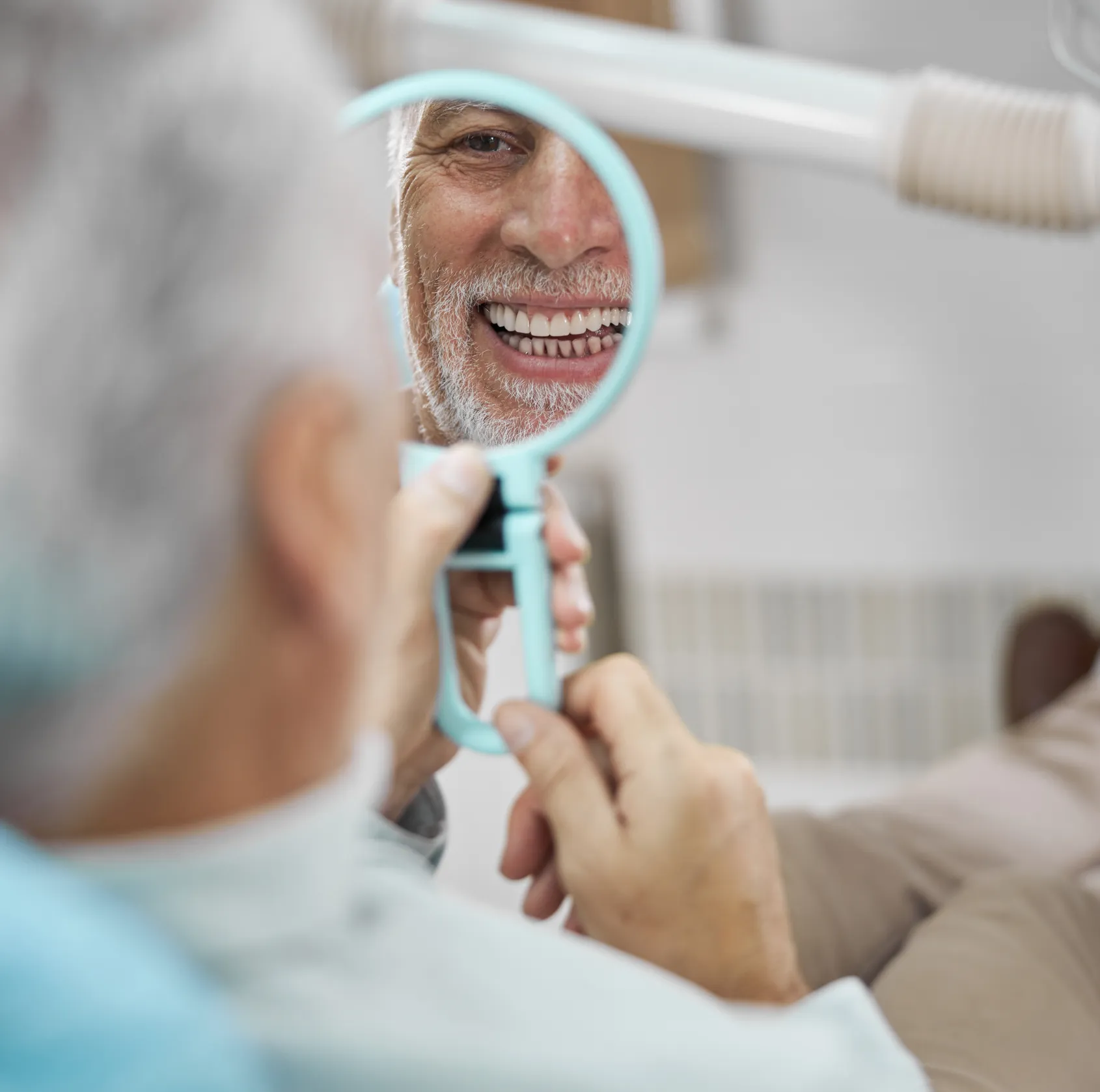



What to Expect When You Get New Dentures
Talk Through What Has Changed
Your appointment starts with a conversation about what you're dealing with and what you want to improve.
You may talk about:
- Trouble chewing
- Missing teeth
- Dentures that do not fit well
- Changes in speech
- Feeling less confident when you smile
Evaluate Your Mouth And Oral Health
Dr. Sykes examines your teeth, gums, bite, and overall oral health to understand what kind of support you need.
This helps determine:
- How many teeth need to be replaced
- Whether a traditional denture makes sense
- Whether denture stabilization may be a better fit
- Whether any treatment is needed before moving forward
Gather The Right Records
Digital records and impressions help create a denture that’s shaped around your mouth more precisely.
This step supports:
- Better planning
- A more personalized fit
- A clearer path to the final result
- Better communication about your options
Review Your Treatment Options
Before treatment begins, Dr. Sykes explains what he recommends and why.
You will go over:
- Which type of denture fits your needs
- What kind of fit and function to expect
- Whether stabilization options are worth considering
- What the treatment process will involve
Begin Treatment
Once your plan is set, treatment moves forward based on the option you choose. The process is designed to restore function and help your smile feel complete again.
Refine The Fit
Dentures often need adjustments to feel their best. Follow-up visits help fine-tune comfort, fit, and function so your denture works better in real life, not just in theory.
Protect Your Long-Term Comfort
Ongoing checkups help monitor fit, oral health, and any changes in your mouth over time.
This matters because:
- Gum tissue and bone can change
- Dentures may need adjustment
- Small fit issues can turn into bigger frustrations if ignored
- Long-term success depends on keeping the denture working well for you
What Sets This Office Apart
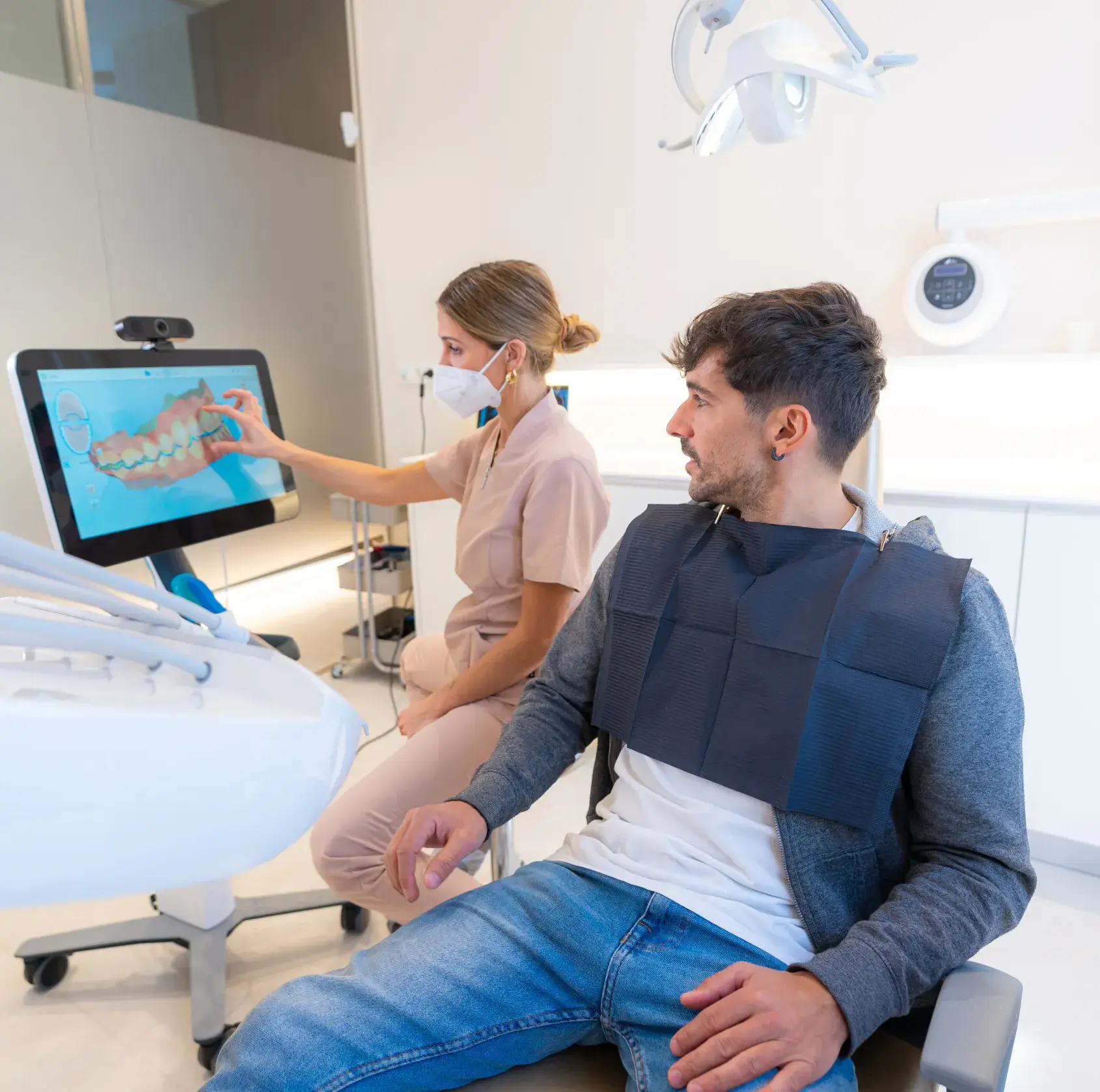
See It Before You Treat It
You're not left guessing. Imaging and in-room visuals show you exactly what is happening, so every decision is based on something you can see and understand.
Full-Service Dentistry
You can complete your care in one place, from preventive visits to more advanced treatments, with a team that knows you and your smile.

Time That Is Actually Yours
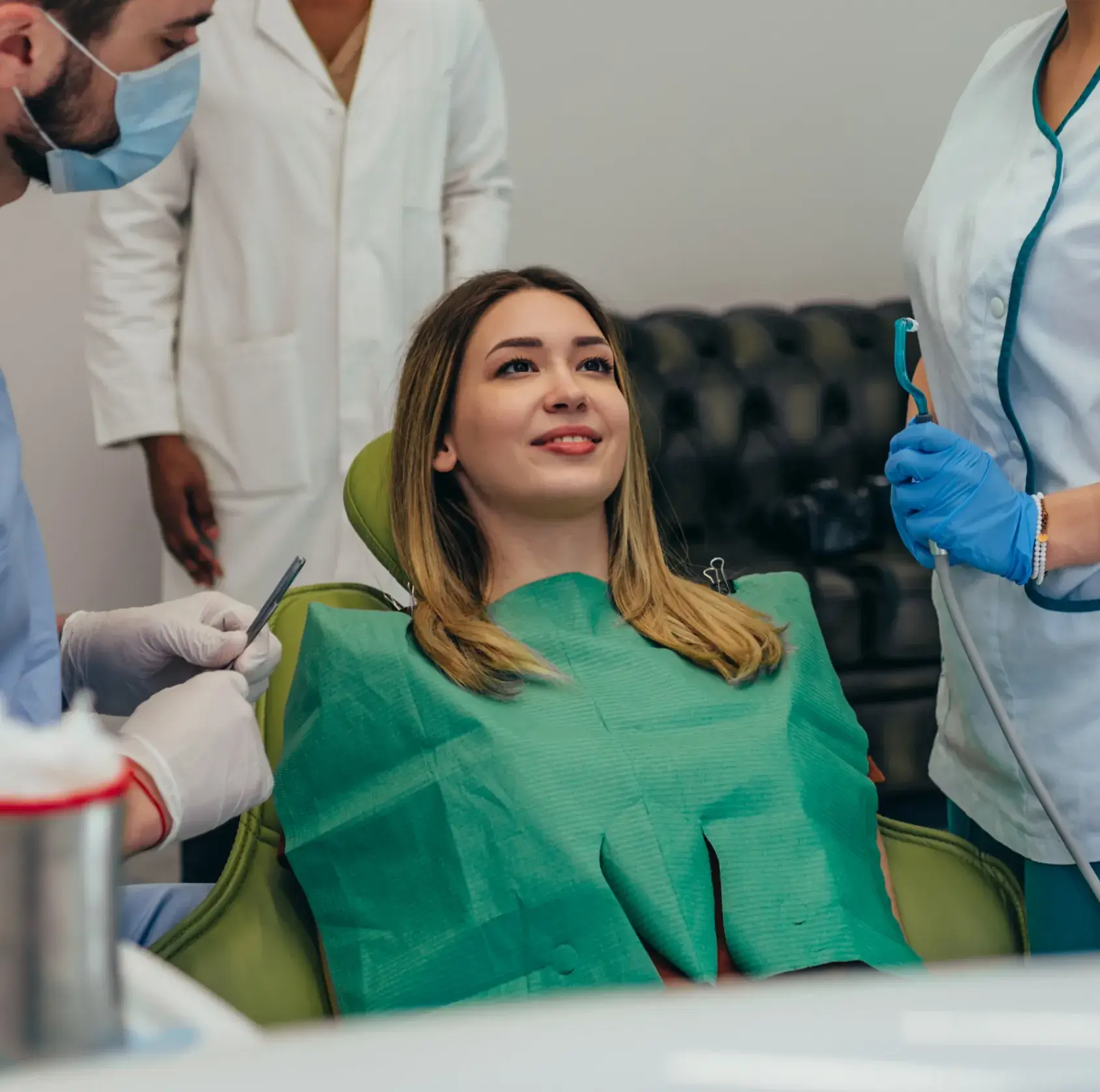
Appointments are structured so you're not rushed in or out. You have time to ask questions, talk through options, and decide what makes sense for you.
Comfort at Every Step
Amenities like streaming, headphones, and comfort items are part of your visit. Sedation options are available to help you relax and get the care you need.

Frequently Asked Questions
How do you know if it is time to replace missing teeth?
It is time to schedule a visit if missing teeth are making it harder to eat, speak, smile comfortably, or get through the day without frustration. Replacing them sooner can help you regain function and avoid adapting to habits that make life harder than it needs to be.
Can dentures be adjusted if they do not fit right?
Yes. Dentures often need adjustments as your mouth changes or as you get used to wearing them. Small changes in fit can make a big difference in comfort and function.
How long does it take to get dentures?
The timeline depends on your treatment needs and whether any extractions or other care are needed first. Dr. Sykes will walk you through the process so you know what to expect before treatment begins.
Are dentures uncomfortable?
There is often an adjustment period when you first start wearing dentures. With the right planning and follow-up adjustments, the goal is to make them feel more comfortable and more usable over time.
Do dentures move when you talk or eat?
They can if the fit is poor or if your mouth has changed over time. That’s one reason some patients want denture stabilization or follow-up adjustments to improve day-to-day security.
Will dentures look natural?
A well-made denture should restore a full smile in a way that looks balanced and fits your features. The goal is not just to replace teeth, but to help your smile feel more natural and complete.
Will dentures help me eat better?
They can improve your ability to chew and make meals feel less frustrating. The level of improvement depends on your anatomy, the type of denture, and how well the fit is maintained over time.
What is the difference between traditional dentures and denture stabilization?
Traditional dentures are removable replacements that rest over the gums. Denture stabilization adds more support to help improve fit and reduce movement during everyday use.
Who is a good candidate for dentures?
Dentures can be a good option for patients missing several teeth or all of their teeth in one or both arches. They may also make sense if your remaining teeth are no longer supporting comfortable function.
What are dentures?
Dentures are removable appliances that replace missing teeth. They help restore the look of your smile and improve everyday function like chewing and speaking.
Located in Kuna, Idaho
1025 N Meridian Rd Suite 150,Kuna, ID 83634
We're near Ezee Laundry and Wingstop. Complimentary parking is available on site.