
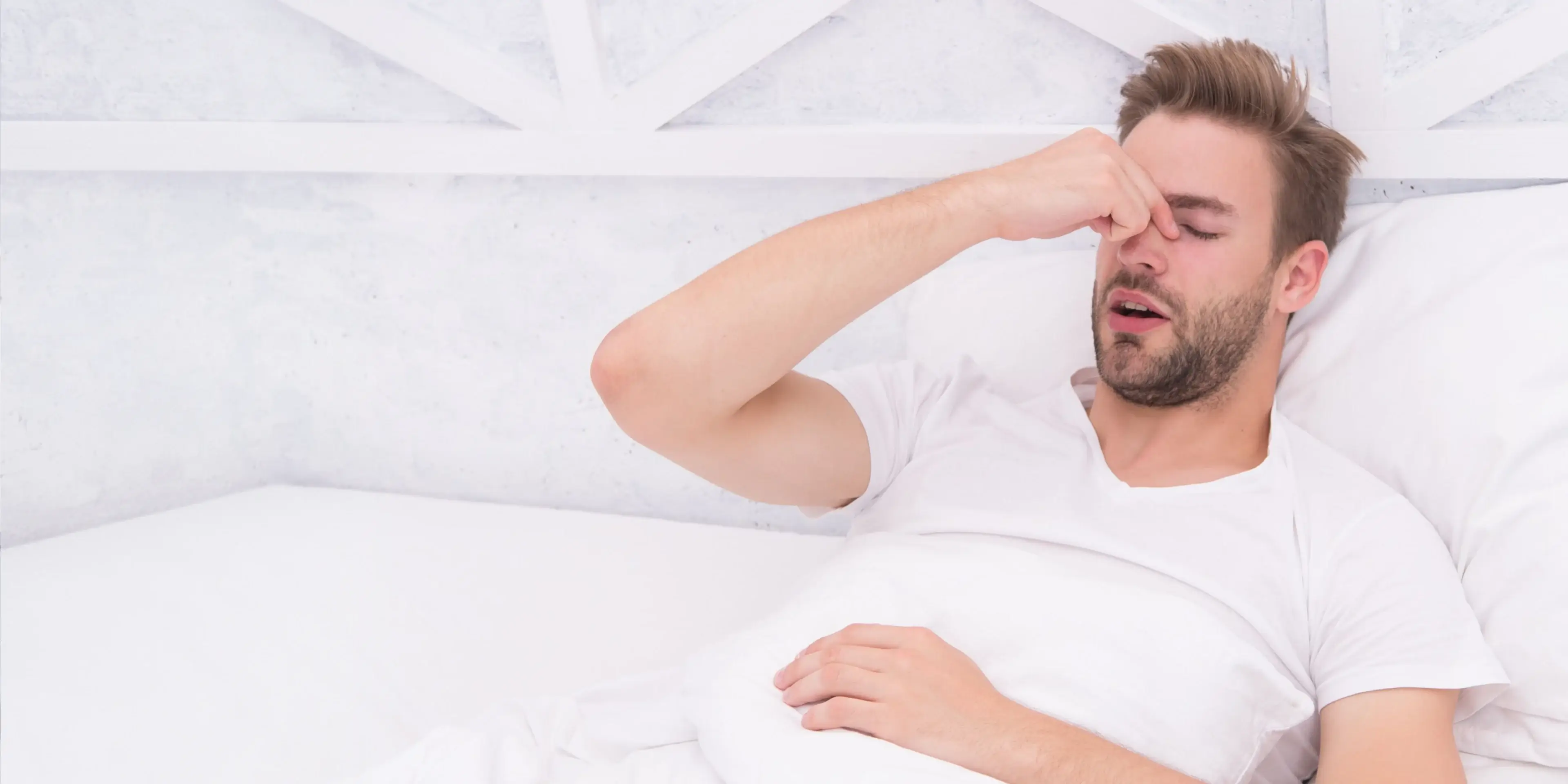
Sleep Care That Helps You Wake Up Rested
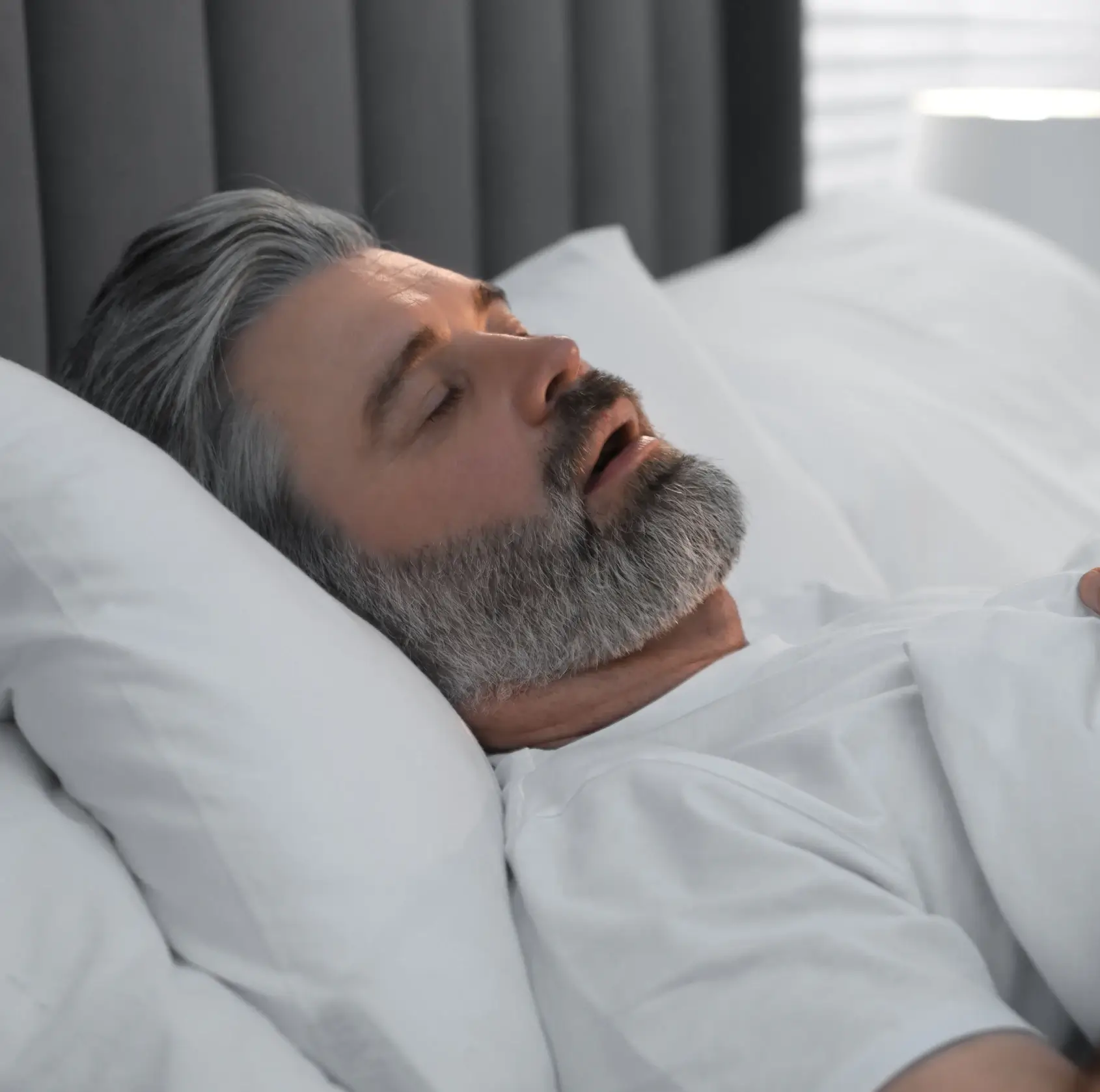
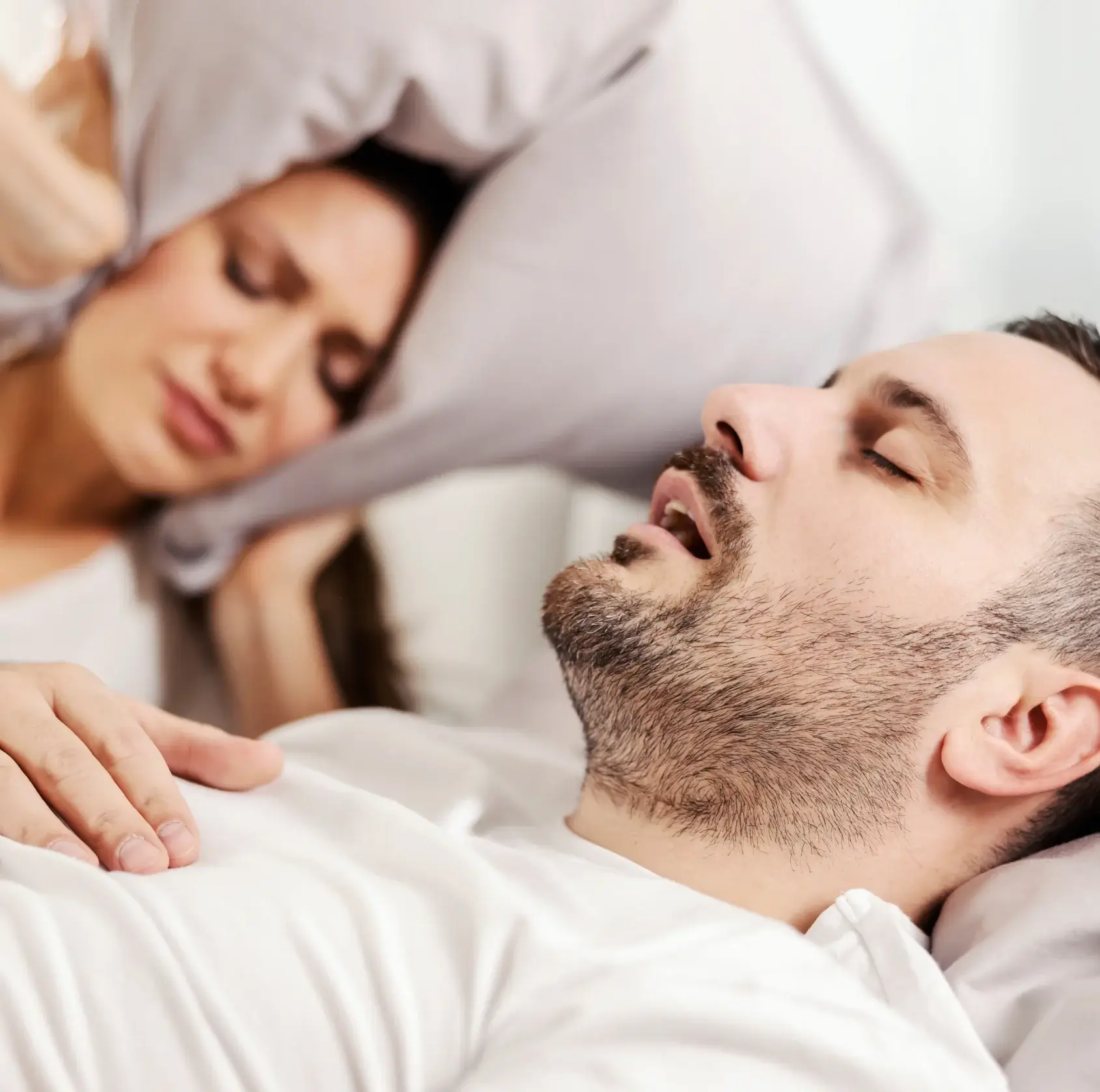
Loud snoring, gasping at night, or waking up tired can point to a breathing problem while you sleep. Finding the real cause is the first step.
Your sleep care starts with a screening designed to avoid needless sleep tests. When treatment makes sense, you'll get a custom oral appliance made from a 3D scan of your mouth, shaped for a comfortable fit you can wear every night.

Skip Tests You Don't Need
Our Advanced Sleep Screening questionnaire takes a close look at your symptoms, sleep habits, and health. It's designed to limit false positives, so a sleep test is only recommended when it's likely to help.
Sleep With A Custom Fit
A quick 3D digital scan captures your teeth with no messy impression trays. That scan is used to fabricate an appliance crafted for your mouth alone, so it feels secure and comfortable night after night.
Get Care Matched To Your Breathing
Breathing problems during sleep range from mild to serious. You may receive a sleep appliance for sleep apnea, or a snore appliance when your airway is narrowing but hasn't reached the level of apnea.
Check your insurance




When A Sleep Screening May Be The Right Choice
Sleep problems often show up during the day before you notice them at night.
A screening may help if you:
- Snore loudly or often
- Have been told you stop breathing or gasp in your sleep
- Wake up tired after a full night
- Get morning headaches or a dry mouth
- Have trouble focusing or feel irritable during the day
- Have struggled to use a CPAP machine
Your screening results will show whether a sleep test makes sense. If it doesn't, you can skip that step.
Snore Appliances Vs. Sleep Appliances
Both appliances fit over your teeth and gently hold your lower jaw forward to help keep your airway open. The right one depends on what's happening while you sleep.
Here's how they differ:
- A snore appliance helps when your airway narrows enough to cause snoring and broken sleep, known as upper airway resistance.
- A sleep appliance is used when a sleep test confirms sleep apnea, where your breathing pauses again and again during the night.
- Both are made from a 3D scan of your mouth for a secure, comfortable fit.
Dr. Sykes will explain which option fits your results and why.

Why Treating Sleep Problems Matters So Much
Poor sleep affects much more than how you feel in the morning. Left untreated, sleep apnea is linked to high blood pressure, heart problems, and daytime fatigue.
Better sleep can support:
- More energy during the day
- Better focus and mood
- Healthier blood pressure
- Heart health
- Quieter nights for you and your partner
Getting answers early makes it easier to find treatment that works for you.



What to Expect During Sleep Apnea Treatment
Complete Your Sleep Screening
Your care starts with the Advanced Sleep Screening questionnaire.
It asks about:
- How you sleep and snore
- How you feel during the day
- Your health history
- Habits like clenching or grinding
Talk Through Your Results
Dr. Sykes will go over what your screening shows in plain terms.
You'll learn:
- Whether your symptoms point to sleep apnea
- Whether a sleep test is needed
- Which appliance may fit your needs
Get A Sleep Test If Needed
If your screening points to sleep apnea, a sleep test confirms it.
The test shows:
- Whether you have sleep apnea
- How severe it is
- Whether an oral appliance is a good option
Take A 3D Scan
A digital scan creates a precise model of your teeth and bite.
This means:
- No trays or putty
- A faster, more comfortable visit
- An appliance shaped to your mouth
Receive Your Custom Appliance
Your sleep or snore appliance is fitted to your mouth and checked for comfort. You'll learn how to wear it, clean it, and store it before you head home.
Fine-Tune The Fit
Small adjustments over your first few weeks help your appliance feel natural. Each change helps it stay comfortable while keeping your airway open.
Check In Over Time
Regular follow-ups help your appliance keep working the way it should.
At these visits, we'll:
- Check the fit
- Look for changes in your bite
- Ask how you're sleeping
- Adjust your appliance if needed
What Sets This Office Apart
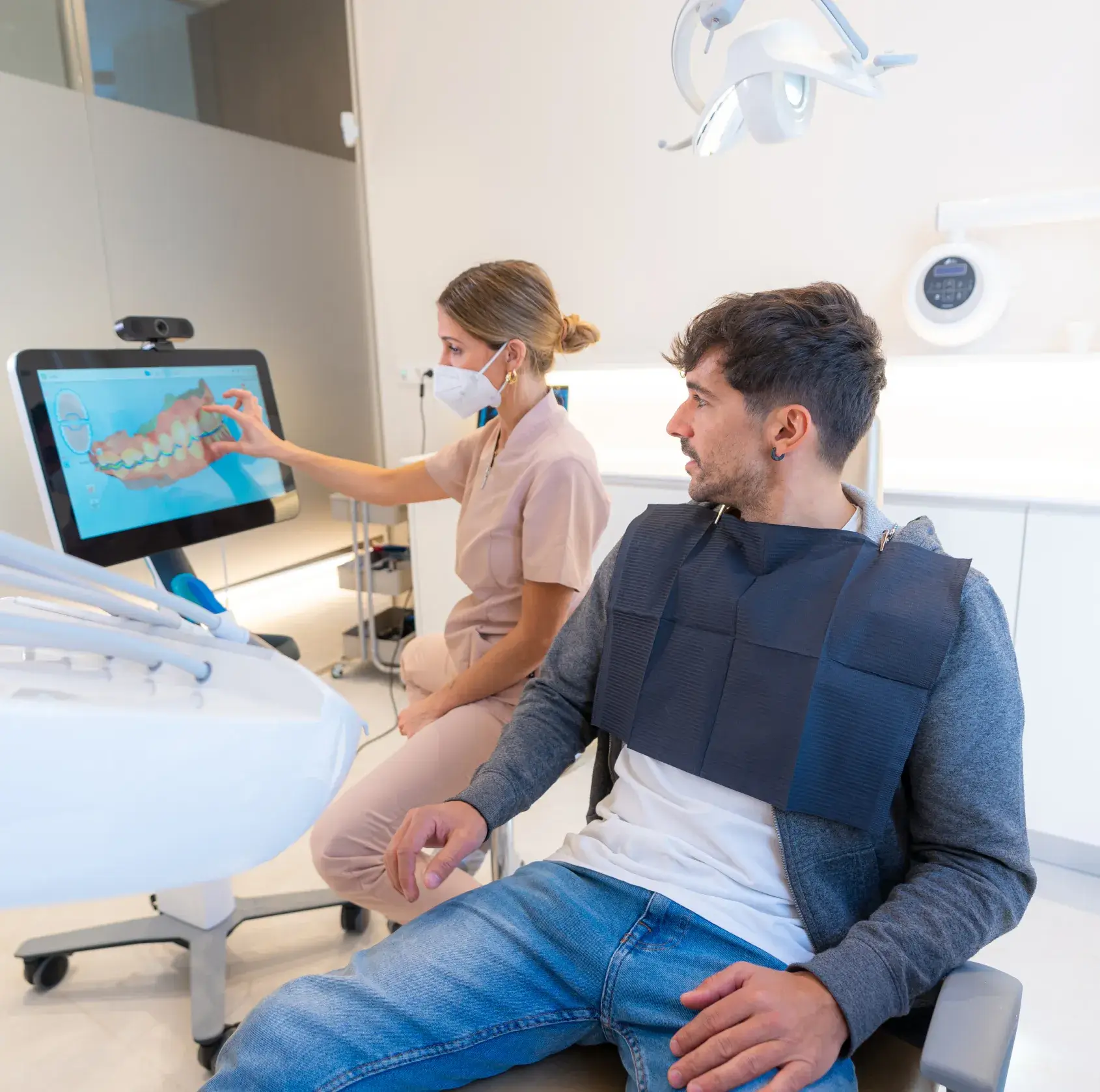
See It Before You Treat It
You're not left guessing. Imaging and in-room visuals show you exactly what is happening, so every decision is based on something you can see and understand.
Full-Service Dentistry
You can complete your care in one place, from preventive visits to more advanced treatments, with a team that knows you and your smile.

Time That Is Actually Yours
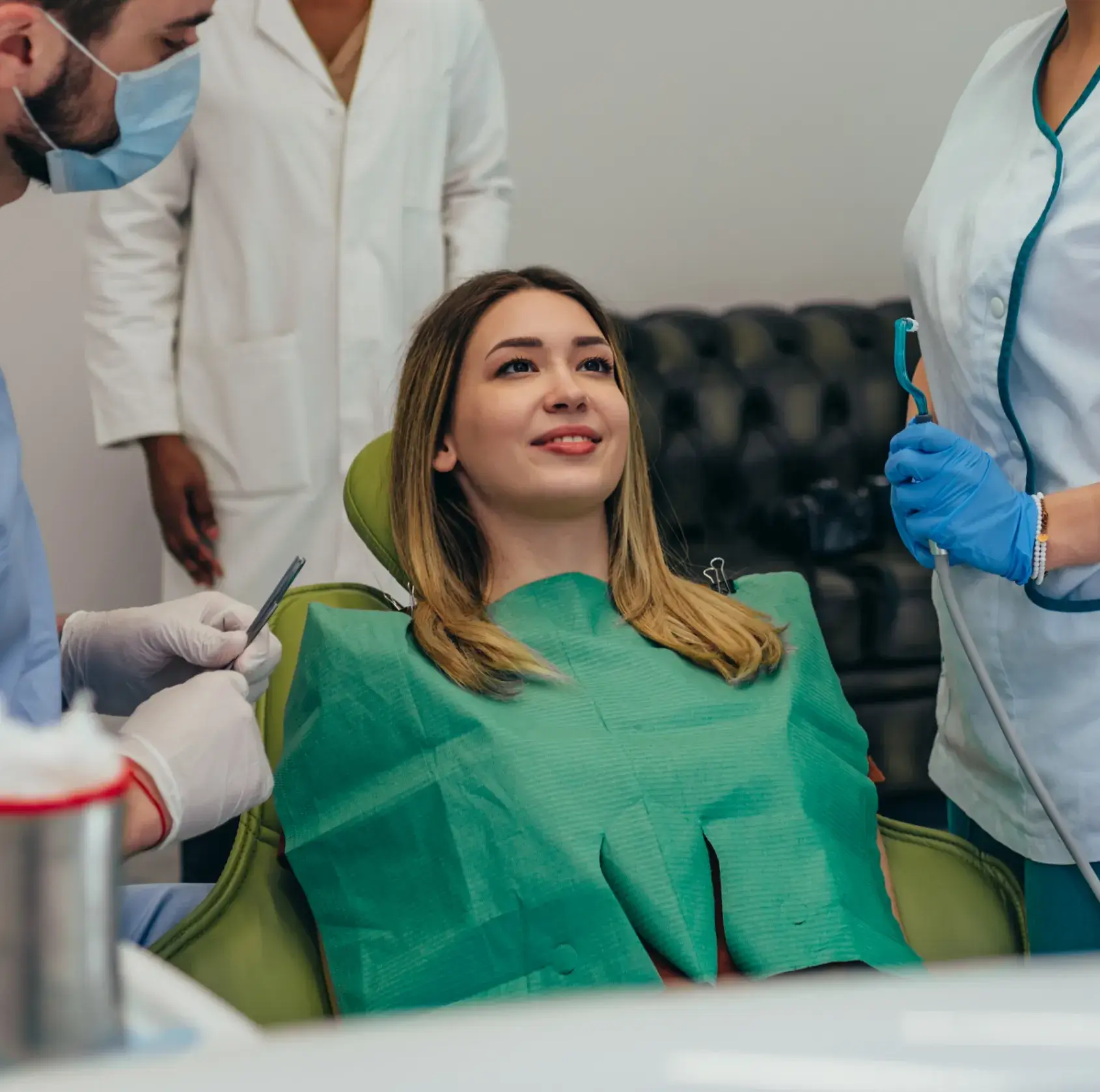
Appointments are structured so you're not rushed in or out. You have time to ask questions, talk through options, and decide what makes sense for you.
Comfort at Every Step
Amenities like streaming, headphones, and comfort items are part of your visit. Sedation options are available to help you relax and get the care you need.

Frequently Asked Questions
How do I care for my oral appliance?
Rinse and brush it each morning, let it dry, and store it in its case. Bring it to your checkups so the fit can be checked.
Can an oral appliance replace a CPAP machine?
For some people with mild to moderate sleep apnea, an oral appliance can be an effective option. Your sleep test results help determine what's right for you.
Is snoring always a sign of sleep apnea?
No. Many people snore without having sleep apnea. Loud snoring paired with gasping, pauses in breathing, or daytime tiredness is worth a screening.
Is an oral appliance comfortable to wear?
Most people get used to it within a few nights. Because yours is made from a 3D scan of your mouth, it's shaped for a secure, comfortable fit.
What is upper airway resistance?
It's when your airway narrows during sleep and makes breathing harder, without fully stopping your breath. It can break up your sleep and leave you tired, even if a sleep test doesn't show apnea.
What's the difference between a snore appliance and a sleep appliance?
A sleep appliance is used to treat sleep apnea. A snore appliance helps when your airway is narrowing and causing snoring or broken sleep before it reaches the point of apnea.
How does an oral appliance work?
It fits over your teeth like a mouthguard and gently holds your lower jaw forward. This helps keep the tissue in your throat from blocking your airway while you sleep.
Do I need a sleep test?
Only if your screening suggests sleep apnea. A sleep test is the only way to confirm sleep apnea and measure how severe it is.
What is the Advanced Sleep Screening questionnaire?
It's a detailed set of questions about your symptoms, sleep habits, and health. It's designed to limit false positives, so a sleep test is only recommended when it's likely to be useful.
Can a dentist help with sleep apnea?
Yes. Dentists can screen for signs of sleep apnea and make custom oral appliances that help keep your airway open. A sleep test is what confirms the diagnosis.
Located in Kuna, Idaho
1025 N Meridian Rd Suite 150,Kuna, ID 83634
We're near Ezee Laundry and Wingstop. Complimentary parking is available on site.